
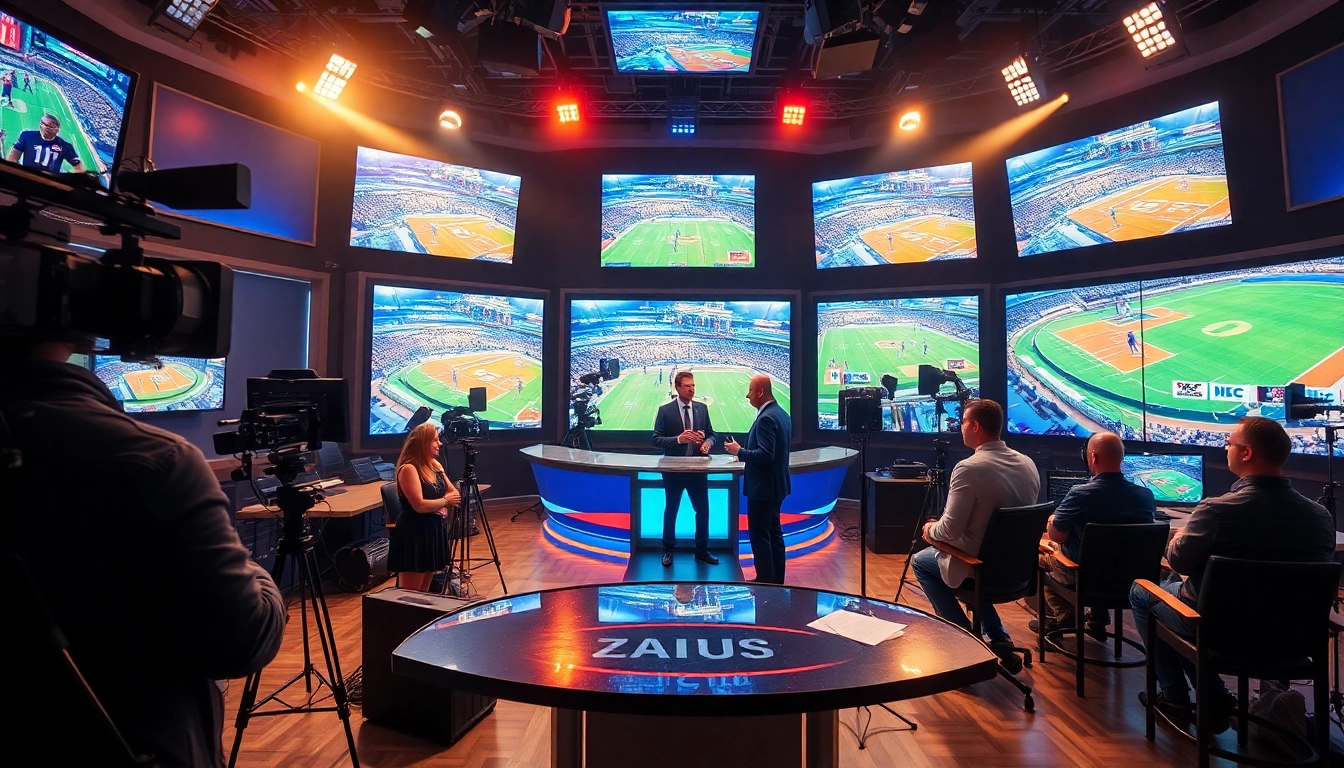
The Evolution of Sports Broadcasting
Historical Highlights in Sports Broadcasting
Sports broadcasting has come a long way from its early days. The journey began in the 1920s with radio broadcasts, which brought sports events directly into homes across the nation. The first live radio broadcast of a sporting event took place in 1921, when a boxing match between Jack Dempsey and Georges Carpentier was aired. This innovation laid the groundwork for future advancements.
Television entered the scene in the 1940s, further transforming how sports were consumed. The historic 1936 Berlin Olympic Games were among the first to be televised, showing viewers the potential of visual sports storytelling. The Golden Age of Sports Broadcasting took shape in the 1960s, during which iconic events like the Super Bowl began to capture vast audiences, paving the way for sports as a major entertainment industry. Learn more about the evolution of Sports Broadcasting by exploring how technology influenced viewer engagement.
Technological Advances Shaping the Landscape
The evolution of technology has been pivotal in sports broadcasting. Advancements like instant replay, high-definition video, and multiple camera angles gave viewers an enhanced experience that captivated audiences. The introduction of satellite technology in the 1980s allowed networks to broadcast live events across borders, expanding viewership. The internet further revolutionized broadcasting in the late 1990s and early 2000s with online streaming and mobile applications, allowing sports enthusiasts to watch games anytime, anywhere.
How Audience Metrics Drive Changes
Understanding audience metrics is crucial for sports broadcasters. Various data analytics tools enable networks to analyze viewer demographics, preferences, and behaviors in real time. Armed with this information, broadcasters can tailor content to cater to specific audiences. Additionally, metrics dictate advertising strategies, influencing the types of sponsorships and commercial partnerships that align best with target viewers, ultimately driving revenue and growth.
Essential Components of Effective Sports Broadcasting
Key Equipment for Sports Broadcasting
The technical infrastructure required for successful sports broadcasting cannot be overlooked. Essential equipment includes high-definition cameras, drones for aerial shots, high-quality audio systems, and video switchers that manage feeds from multiple sources. The choice of equipment directly impacts production quality and viewer satisfaction. Moreover, portable broadcasting kits have become popular, enabling broadcasts from locations previously deemed difficult due to infrastructure limitations.
Creating Engaging Content for Viewers
Content is king in the realm of broadcasting. Engaging content goes beyond the game; it includes player interviews, expert commentary, behind-the-scenes footage, and fan engagement activities. Broadcasters must develop compelling narratives that resonate with viewers. For instance, storytelling during matches—highlighting player backgrounds or historical rivalries—enhances the emotional connection between fans and the sport. Incorporating advanced graphics and augmented reality can also enrich viewer experience.
Logistics of Game Day Operations
Efficient logistics are critical for a successful broadcast. This includes everything from planning equipment setup and testing to coordinating with teams and venues for seamless transmissions. Time management is crucial; broadcasters must start operations hours before a game to ensure everything is in place. Communication between technical crews, talent, and production teams must be clear and precise to handle any issues that arise, guaranteeing a smooth viewing experience for fans.
Understanding the Audience in Sports Broadcasting
Demographics and Viewer Preferences
Audience demographics play an integral role in shaping sports broadcasting strategies. Different age groups, genders, and geographic regions influence content preferences. Younger audiences might prefer highlights and social media-driven engagement, while older viewers might favor in-depth analyses and traditional game broadcasts. By understanding these preferences, broadcasters can customize their content delivery to serve diverse audience segments effectively.
Expert Insights into Audience Engagement
Experts emphasize the importance of engaging with audiences beyond the screen. Fan interaction through polls, live chats, and Q&A sessions dramatically enhances viewer involvement. Additionally, the use of data-driven strategies, such as personalized viewing experiences and targeted advertisements, enables broadcasters to create a sense of community. The rise of sports influencers on platforms like Instagram and TikTok also shows the importance of engaging in modern ways that resonate with audiences.
Utilizing Social Media for Enhanced Reach
Social media platforms have revolutionized how sports content is disseminated. Broadcasters are not only utilizing social media to promote live events but also to share highlights, commentary, and interactive content that encourages fan participation. Social media can significantly amplify reach, especially for live events, by utilizing hashtags and engaging influencers. This strategy not only communicates with existing fans but also attracts new audiences eager for interactive experiences.
Challenges Facing Sports Broadcasting Today
Adapting to Rapid Technological Change
Technological advancements can be a double-edged sword, presenting both opportunities and challenges. Broadcasters must continuously adapt to new technologies, including virtual reality, augmented reality, and mobile streaming. Staying current requires substantial investment in both training personnel and upgrading equipment, which can be a financial strain, especially for smaller organizations. Embracing these changes while maintaining quality content and experience is essential for success.
Overcoming Content Saturation in the Market
The rise of numerous sports channels, social media, and streaming services has led to content saturation. Compelling content is crucial to stand out from the noise. Broadcasters need to identify and carve out niche markets or unique content strategies. Offering value through exclusive interviews, high-quality production, and a distinctive voice are effective tactics to overcome oversaturation and build a loyal audience.
Maintaining Ethical Standards in Coverage
As broadcasting evolves, maintaining ethical standards becomes increasingly important. This includes responsible journalism, fairness in coverage, and transparency in advertising. Issues such as favoritism or political bias can diminish public trust. Broadcasters must commit to high ethical standards and prioritize integrity in their reporting to cultivate a trustworthy audience relationship, particularly in an age where misinformation can spread rapidly.
Future Trends in Sports Broadcasting
Impact of Streaming Services on Traditional Models
Streaming services are reshaping the sports broadcasting landscape, prompting traditional networks to adapt their business models. With more viewers opting for on-demand content, broadcasters must explore innovative ways to incorporate streaming capabilities. This shift allows for greater flexibility in viewing options, encouraging a more personal approach to content delivery that aligns with evolving consumer behaviors.
Innovations in Interactive and VR Broadcasting
The future of sports broadcasting is bright with innovations in interactive and virtual reality experiences. These technologies provide fans with unprecedented engagement, allowing for virtual attendance at events and insight into game strategies. Interactivity will be a key element, providing viewers with choices on camera angles, commentary, and more immersive experiences during live games, ultimately transforming the way fans experience sports.
Predictions for the Next Decade in Sports Broadcasting
As we look forward, several predictions for the next decade in sports broadcasting emerge. The trend toward personalization will continue, with AI-driven content recommendation systems becoming standard. Additionally, sustainability in broadcasting practices will be emphasized across the industry, with a focus on reducing the carbon footprint. For content creators, adaptability will remain paramount, requiring agility in leveraging new technologies and trends to meet audience demands effectively.
Frequently Asked Questions
What is sports broadcasting?
Sports broadcasting refers to the live coverage of sports events via television, radio, or the internet, providing play-by-play commentary and analysis.
How has technology impacted sports broadcasting?
Technology has enhanced sports broadcasting through improved visuals, instant replays, online streaming, and interactive content, revolutionizing viewer engagement.
What role does audience engagement play in sports broadcasting?
Audience engagement is vital as it fosters connection, enhances viewer loyalty, and drives traffic through interactive content and community building via social media.
What challenges do sports broadcasters face today?
Challenges include keeping up with rapidly evolving technology, overcoming market saturation, and maintaining ethical standards in coverage.
What are the future trends expected in sports broadcasting?
Future trends include greater personalization, increased use of streaming services, and innovations in interactive and virtual reality experiences for fans.