
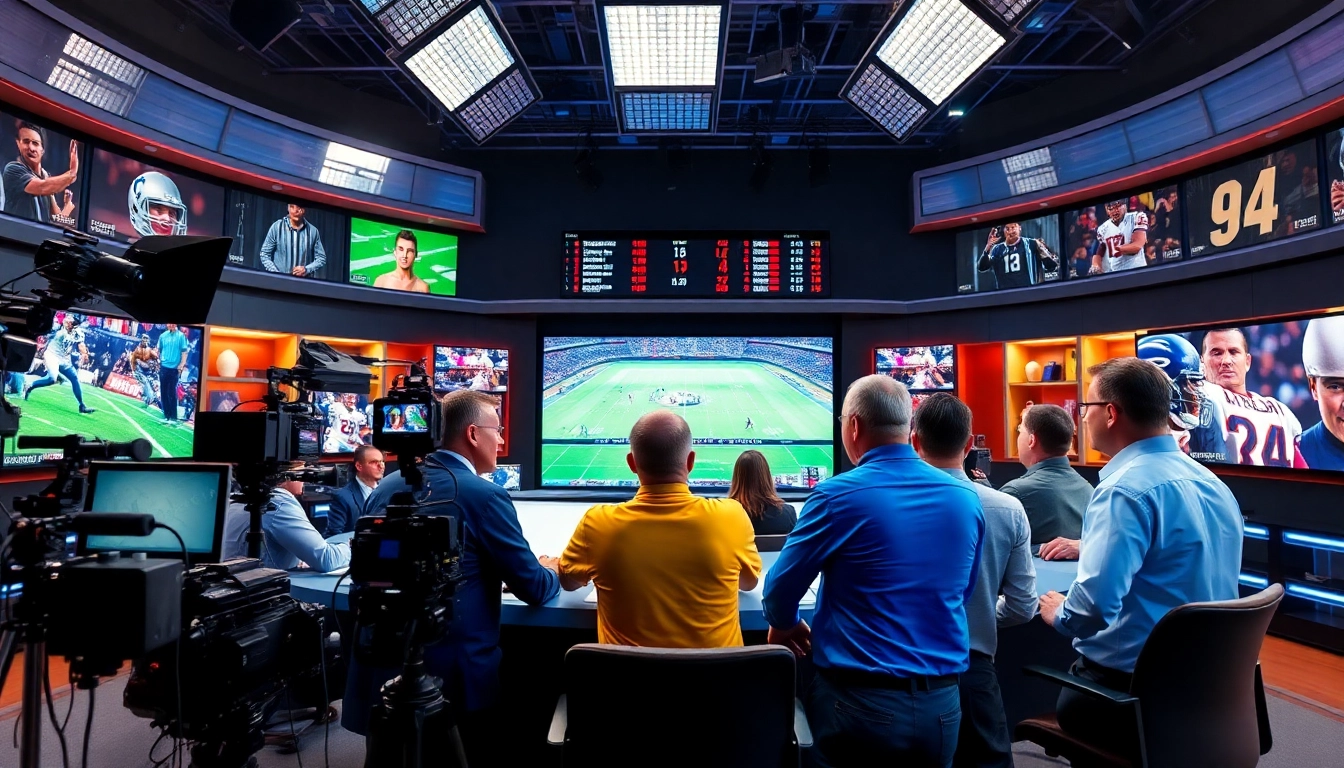
Understanding the Landscape of Sports Broadcasting
In recent decades, Sports Broadcasting has undergone a dramatic transformation, reflecting broader changes in technology, consumer behavior, and global connectivity. The rise of digital platforms and advanced transmission technologies has enabled fans to engage with their favorite sports in ways never before possible. This article explores the multi-faceted world of sports broadcasting, delving into its evolution, key players, and emerging trends, while also providing practical guidance for aspiring sports broadcasters.
The Evolution of Sports Broadcasting
The roots of sports broadcasting can be traced back to the early 20th century, with the advent of radio. Sports enthusiasts tuned in to hear live updates and commentary on their favorite events, a practice that quickly gained popularity. As technology evolved, so did the medium. The first televised sporting event – a college baseball game – marked a pivotal moment, paving the way for television networks to become major players in the industry.
With the introduction of cable television in the 1980s, viewers gained access to numerous sports channels. This shift resulted in more extensive coverage, allowing networks to target specific demographics and foster specialized sports packages. In the 21st century, the rise of the internet and streaming services has revolutionized how audiences consume sports content, providing unprecedented access to live events and behind-the-scenes programming.
Key Players in the Sports Broadcasting Industry
Today, the sports broadcasting industry is characterized by a diverse array of stakeholders. Major television networks, such as NBC, ESPN, and CBS, continue to dominate traditional broadcasting methods. However, the emergence of streaming platforms, including Amazon Prime, Hulu, and DAZN, has intensified competition for viewership. Additionally, social media giants like Facebook and YouTube are playing an increasingly significant role in live sports coverage.
Moreover, leagues and teams now have more control over their broadcasting rights, often choosing to partner with multiple platforms to reach broader audiences. This shift necessitates collaboration between content creators, broadcasters, and sports leagues to create engaging and flexible viewing experiences.
Emerging Trends in Sports Broadcasting
As technology continues to advance, several key trends are shaping the future of sports broadcasting:
- Streaming Services: The streaming video boom is driving a shift from traditional cable broadcasting to digital platforms. Viewers seek flexibility and on-demand access, leading broadcasters to adapt their strategies accordingly.
- Augmented and Virtual Reality: AR and VR technologies are enhancing fan engagement, providing immersive experiences during broadcasts, and enabling fans to interact with their favorite sports like never before.
- Data Analytics: Leveraging big data allows broadcasters to personalize content, optimize viewer experiences, and improve engagement through targeted advertising and tailored programming.
Fundamentals of Effective Sports Broadcasting
Essential Skills for Sports Broadcasters
To succeed in sports broadcasting, individuals must cultivate a range of essential skills:
- Communication: Strong verbal and written communication abilities are crucial. Broadcasters must deliver information clearly and engagingly, whether during live commentary or through pre-recorded segments.
- Research: An in-depth knowledge of the sports landscape, teams, and players is vital. Broadcasters should stay up to date with stats, historical context, and current events to provide informative commentary.
- Adaptability: The unpredictability of live sports requires broadcasters to think on their feet. Quick decision-making and the ability to pivot during broadcasts are essential traits.
Building a Versatile Broadcasting Portfolio
A successful career in sports broadcasting often involves a combination of education and hands-on experience. Aspiring broadcasters should seek internships, volunteer opportunities, or entry-level positions at local stations or online platforms to build their portfolio. Engaging in various roles – from reporting to producing – allows for the development of a well-rounded skillset.
Networking is equally important. Building relationships with industry professionals can lead to mentorships and job opportunities. Attending industry conferences and events can also facilitate connections while providing valuable insights into current trends and challenges faced by broadcasters.
Importance of Audience Engagement
Understanding and engaging the audience is paramount for successful sports broadcasting. Knowing demographics, preferences, and viewing habits helps broadcasters tailor content effectively. Engagement can be achieved through:
- Interactive Content: Leveraging social media to create interactive polls, Q&A sessions, or live chats can boost viewer interaction and create a sense of community.
- Feedback Mechanisms: Incorporating viewer feedback into programming helps broadcasters understand audience needs and refine their content accordingly.
- Storytelling: Crafting compelling narratives surrounding events enhances emotional engagement, making broadcasts more memorable and resonant for viewers.
Technology in Sports Broadcasting
Innovative Tools and Equipment
The sports broadcasting landscape is heavily influenced by technological advancements. High-definition cameras, drones, and sophisticated sound equipment are now standard in live sports broadcasts, enhancing visual and auditory experiences. Innovations such as virtual graphics and instant replay technology further elevate the quality of sports coverage, providing audiences with immersive viewing.
Moreover, mobile broadcasting technology allows for remote coverage, enabling producers to capture events from a variety of locations without the need for a fully equipped studio. This flexibility is essential for providing timely and relevant content, particularly during major sports events.
The Role of Social Media in Broadcasting
Social media has transformed the sports broadcasting sphere by enabling real-time interaction between broadcasters and audiences. Platforms like Twitter, Instagram, and TikTok allow fans to engage with content, share their experiences, and follow updates. Broadcasters can use these platforms to amplify their reach, interact with fans, and provide additional context to live events.
Additionally, social media serves as a valuable tool for driving traffic to broadcasts, highlighting key moments, and fostering community among fans. Regular engagement on these platforms helps broadcasters stay relevant and maintain a continuous dialogue with their audience.
Future-Proofing with Emerging Technologies
As the landscape of sports broadcasting evolves, the incorporation of cutting-edge technology is essential for staying competitive. The use of machine learning for data analysis, AI-driven content generation, and advancements in streaming capabilities will reshape how audiences consume sports. Broadcasters must not only adapt but also anticipate future trends to remain at the forefront of the industry.
Delivering Compelling Sports Stories
Crafting Narratives in Sports Broadcasting
At its core, sports broadcasting is about storytelling. Crafting engaging narratives around athletes, teams, and events creates an emotional connection with the audience. Broadcasters should focus on the human elements – triumphs, struggles, and personal journeys that resonate with viewers.
Utilizing interviews, behind-the-scenes footage, and historical context can enrich broadcasts, making them more relatable and informative. Strong narratives foster viewer loyalty and enhance the overall viewing experience, leading to ongoing engagement with sports content.
Interview Techniques to Elevate Broadcasts
Interviews are a powerful tool within sports broadcasting that can provide unique insights and generate viewer interest. Effective interview techniques include:
- Preparation: Thoroughly research interview subjects to formulate relevant and thought-provoking questions.
- Active Listening: Engage with the interviewee’s responses, following up on interesting points or clarifications to create a more dynamic conversation.
- Creating Comfort: Establish rapport with interviewees to encourage openness and candidness, which can lead to compelling responses.
Balancing Analysis and Entertainment
Successful sports broadcasting lies in striking the right balance between analytical commentary and entertainment. Broadcasters should provide insightful analysis without losing the entertainment factor that keeps audiences tuned in. Mixing statistics and data with humor, anecdotes, and relatable commentary can help create an engaging atmosphere.
Incorporating various perspectives from analysts and expert commentators enriches broadcasts, providing viewers with a well-rounded understanding of events while ensuring that discussions remain lively and entertaining.
Measuring Success in Sports Broadcasting
Analyzing Viewer Engagement Metrics
To gauge the effectiveness of broadcasts, sports broadcasters must employ a range of viewer engagement metrics. These may include:
- Viewership Numbers: Monitoring total viewers, demographics, and growth trends provides insights regarding the broadcast's reach and audience retention.
- Engagement Rates: Analyzing interactions on social media platforms, such as likes, shares, and comments, helps assess audience interest and satisfaction.
- Feedback and Surveys: Collecting viewer feedback through surveys offers qualitative insights into their preferences, shaping future content strategies.
Effective Strategies for Improvement
Continuous improvement is key to success in sports broadcasting. Broadcasters should regularly review performance metrics, identify areas for growth, and implement new strategies. Potential improvement strategies include:
- Content A/B Testing: Launching various content formats or styles allows broadcasters to determine what resonates most with their audience.
- Training and Professional Development: Encouraging ongoing education and training enables broadcasters to stay abreast of best practices and emerging trends.
- Collaboration: Collaborating with experts and other broadcasters can lead to innovative ideas and shared learning experiences, driving higher quality content.
Case Studies of Successful Sports Broadcasts
Examining successful sports broadcasts provides valuable lessons for aspiring broadcasters. Notable examples often highlight innovative use of technology, engaging storytelling, and effective audience interaction. These case studies emphasize the importance of adaptability and creativity, showcasing how broadcasters can differentiate themselves in a competitive marketplace.
The success of these broadcasts can frequently be attributed to their ability to resonate emotionally with viewers while utilizing modern technology effectively. By analyzing these examples, aspiring sports broadcasters can draw inspiration and practical insights.
Frequently Asked Questions
What qualifications do I need to become a sports broadcaster?
While formal education can help, essential skills include effective communication, deep sports knowledge, and adaptability. Gaining practical experience through internships and networking is also crucial.
How important is storytelling in sports broadcasting?
Storytelling is vital; it captivates audiences, creates emotional connections, and enriches the viewing experience, making broadcasts more engaging and memorable.
What role does technology play in sports broadcasting?
Technology enhances production quality, streamlines broadcast processes, and provides audiences with immersive experiences. Embracing innovation is essential for staying competitive.
How can I engage audiences effectively?
Utilize interactive content on social media, personalize your programming based on audience preferences, and encourage feedback to create a sense of community and connection.
What are some key metrics to measure broadcasting success?
Viewer engagement metrics, including viewership numbers, social media interactions, and viewer feedback, are crucial to evaluating success and guiding improvements.